The Japanese Calendar
Japan celebrates the passage of seasons with festivals, traditions, and special foods. Understanding this seasonal awareness enriches any visit.
Spring
Setsubun (February 3): Bean throwing to drive out demons. Shout "Oni wa soto! Fuku wa uchi!" (Demons out! Fortune in!)
Hina Matsuri (March 3): Girls' Day. Elaborate doll displays in homes and public spaces.
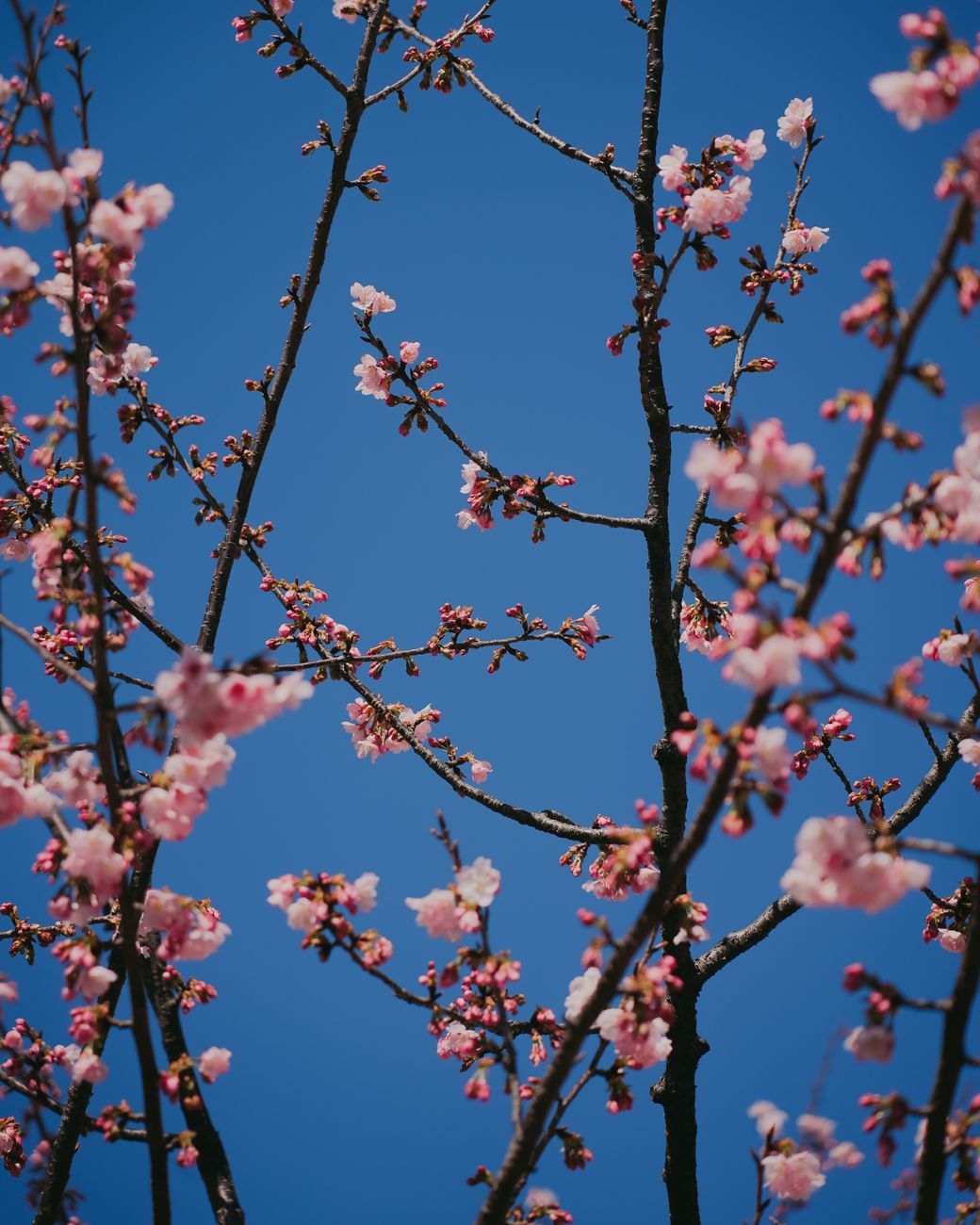
Hanami (Late March-April): Cherry blossom viewing. The nation obsessively tracks the "cherry blossom front" moving north. Picnics under blooming trees, often alcohol-fueled.
Summer
Tanabata (July 7): Star Festival celebrating celestial lovers' annual reunion. Write wishes on paper strips, hang from bamboo.
Obon (Mid-August): Buddhist festival honoring ancestors. Families return to hometowns. Bon Odori folk dances.
Fireworks (Summer): Spectacular hanabi festivals throughout Japan. Sumida River in Tokyo, Tenjin in Osaka.
Autumn
Tsukimi (September/October): Moon viewing. Special dango (rice dumplings), pampas grass displays.
Shichi-Go-San (November 15): 7-5-3 Festival. Children aged 3, 5, and 7 visit shrines in traditional dress.
Koyo (November): Autumn leaf viewing. Temples lit at night, especially spectacular in Kyoto.
Winter
Shōgatsu (January 1-3): New Year, Japan's most important holiday. Shrine visits, special foods, family gatherings.
Seijin no Hi (Second Monday, January): Coming of Age Day. 20-year-olds in formal attire.
Setsubun (February 3): The cycle begins again.
Planning Around Seasons
Each season offers unique experiences but also challenges. Cherry blossom and autumn foliage seasons are beautiful but crowded and expensive. Golden Week and Obon see domestic travel surges.
Visit during shoulder seasons (June, September) for reasonable crowds and pleasant weather.

