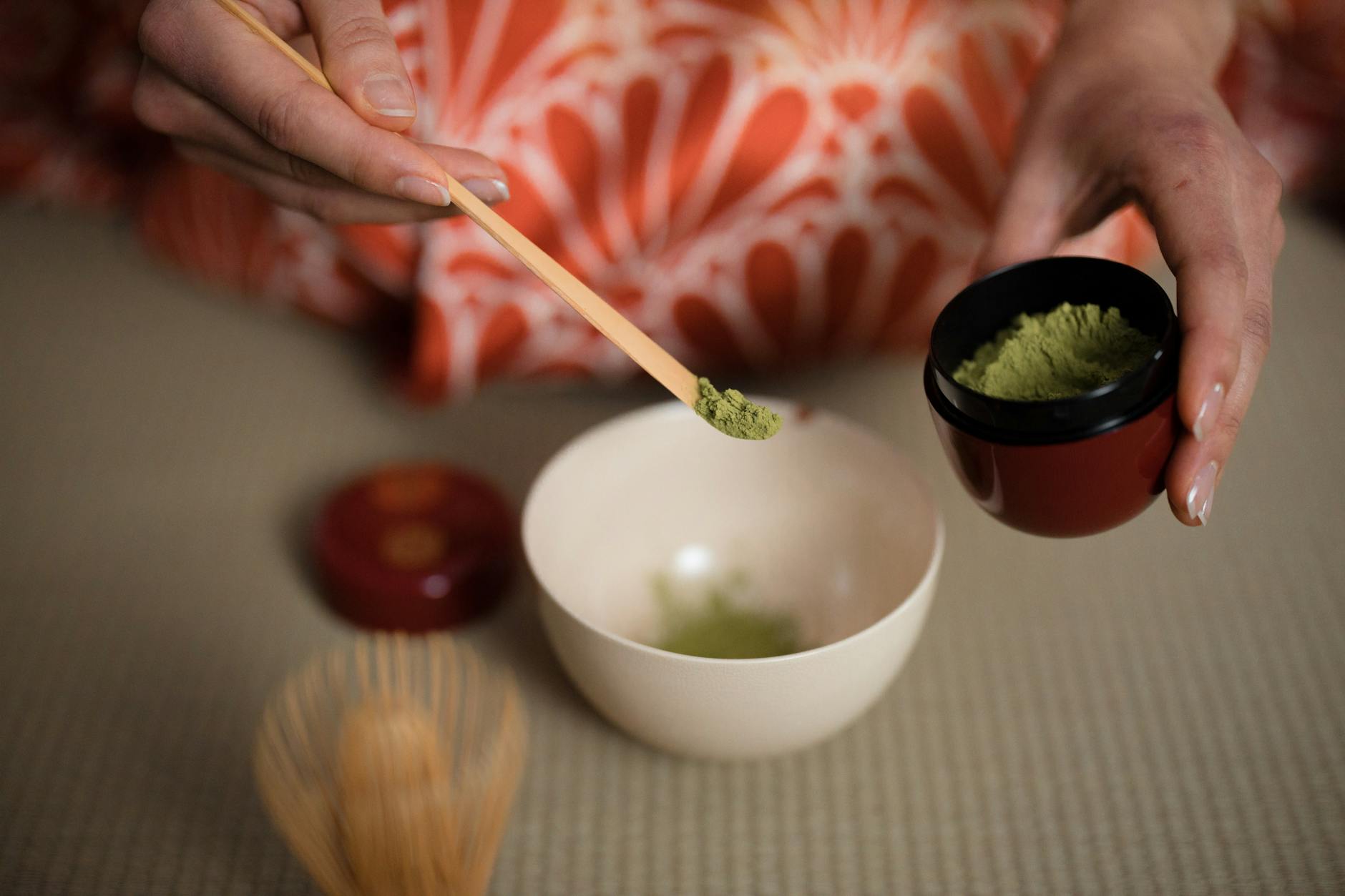
More Than Tea
Matcha is not simply a beverage but a window into Japanese aesthetics, spirituality, and social ritual. Understanding matcha means understanding centuries of cultural evolution.
Origins
Powdered tea arrived in Japan from China in the 12th century. Zen monks found that matcha aided meditation—the caffeine sustained alertness while L-theanine promoted calm focus.
The monk Eisai brought both Zen Buddhism and tea culture to Japan, writing "Kissa Yōjōki" (Tea and Health) in 1211. He presented tea to the shogun as medicine.
The Way of Tea
Sen no Rikyū (1522-1591) transformed tea drinking into Chadō, the "Way of Tea." He stripped away ostentation, emphasizing rustic simplicity, humility, and the beauty of imperfect things.
The Four Principles:
Wa (harmony): Between guests and host, season and setting
Kei (respect): For all participants and objects
Sei (purity): Physical and spiritual cleanliness
Jaku (tranquility): Achieved through the other three
The Ceremony
A formal tea ceremony can last hours, every movement prescribed. The guest admires the scroll, the flower arrangement, the bowl. The host prepares tea with precise, graceful gestures.
But the essence can be experienced in simpler settings. Even a bowl of matcha at a temple tea house offers a moment of intentional presence.
Modern Matcha
Today, matcha appears in lattes, ice cream, and Kit-Kats. Purists may disapprove, but this adaptation echoes tea's historical evolution.
For visitors, experiencing matcha means:
Temple tea services (simple, affordable, atmospheric)
Department store tea rooms (formal but accessible)
Modern cafes (quality matcha in contemporary settings)
Traditional tea ceremony (advance booking required)

