The Presence of Absence
Ma—often translated as "space" or "interval"—is actually untranslatable. It's the pregnant pause, the meaningful silence, the empty space that defines what surrounds it.
Understanding Ma
Ma is not mere emptiness. It's active space that creates meaning. In music, the pause between notes defines rhythm. In conversation, silence communicates as powerfully as words. In visual art, empty space makes filled space significant.
Western aesthetics often treat negative space as background, secondary to the subject. In Japanese aesthetics, ma is itself a subject—or rather, the distinction between subject and space dissolves.
Manifestations
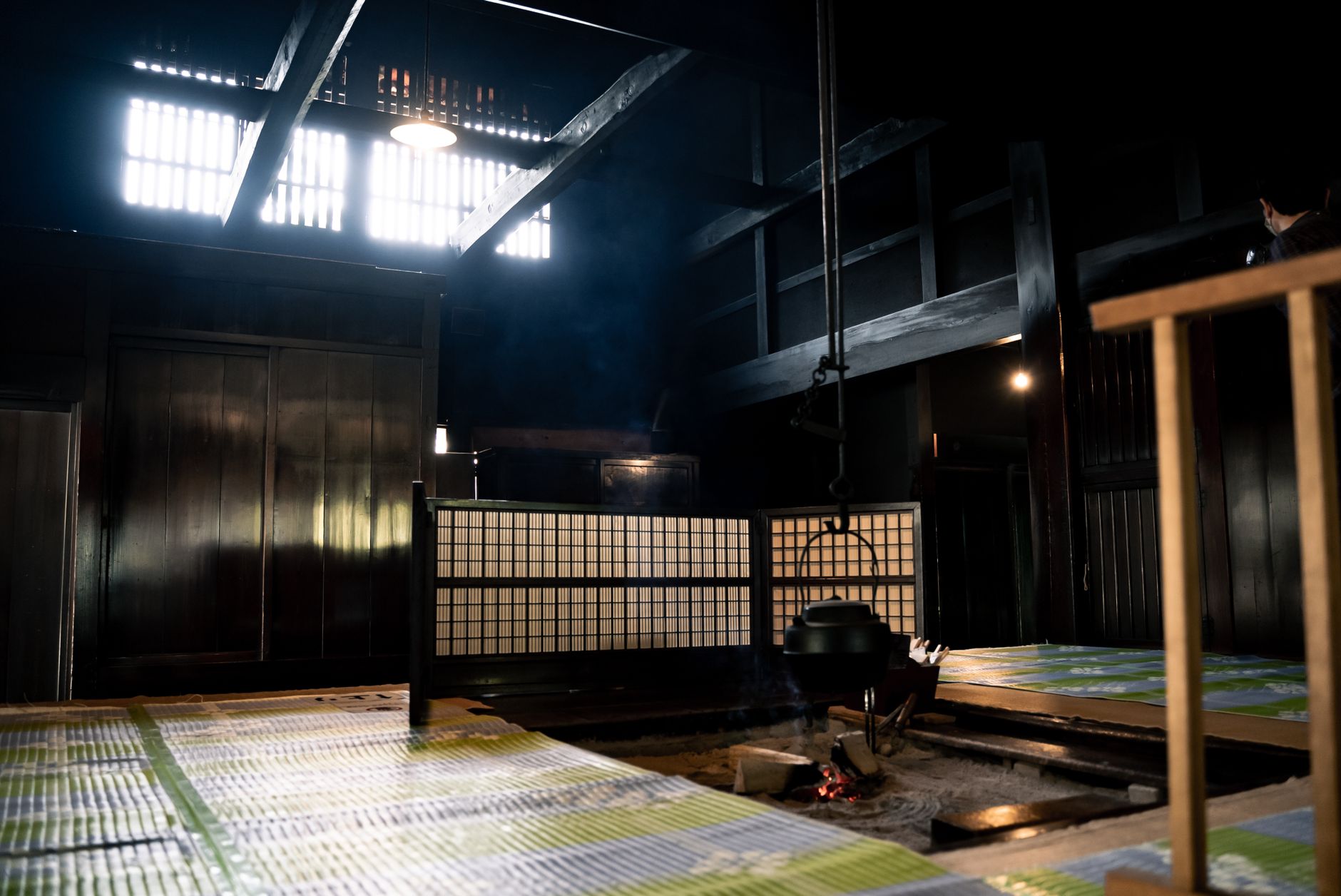
Architecture: Traditional Japanese rooms are defined by their emptiness. Sliding doors eliminate walls. Raised floors create voids beneath. The tokonoma alcove displays one scroll, one flower—and much empty space.
Gardens: The raked gravel of a karesansui garden is not lack of planting but presence of ma. The stones derive meaning from surrounding emptiness.
Painting: Ink paintings (sumi-e) use unpainted paper as actively as brushstrokes. Mountains emerge from mist; fish swim in empty space that is also water.
Performance: Noh drama uses silence and stillness as dramatic elements. The pause before action heightens its impact.
Conversation: Japanese communication leaves much unsaid, expecting listeners to perceive meaning in gaps. Silence isn't awkward; it's meaningful.
Practical Observation
Notice ma at:
Zen gardens: What's absent creates what's present
Tea rooms: Empty corners, singular objects
Shrine precincts: Space between torii gates
Traditional interiors: Rooms defined by emptiness
The concept offers an alternative to Western horror vacui (fear of empty space). Ma suggests that emptiness itself holds meaning—that knowing when not to fill is as important as knowing what to create.
Living Ma
Beyond aesthetics, ma applies to life: knowing when to pause, when to remain silent, when to leave space for others. The concept suggests that meaning often lives in intervals, not content.