The Heart of Hospitality
Omotenashi—Japanese hospitality—anticipates needs before they're expressed, serves without expectation of return, and treats every guest as honored. It's neither servility nor transaction but genuine care made tangible.
Beyond Service
Western hospitality often implies exchange: I serve you; you tip me, or return as a customer. Omotenashi operates differently. The host serves because serving is intrinsically valuable, not because reward is expected.
This doesn't mean Japanese service workers are saints. They're professionals performing roles that culture defines as meaningful. But the role includes genuine attention to guest well-being, not just task completion.
Components
Anticipation: Notice what guests need before they ask. The hotel staff who brings an umbrella before you realize it's raining. The restaurant server who refills tea when it's low.
Attention to detail: Every element considered. The warm towel's temperature, the placement of chopsticks, the angle of flower arrangements.
Selflessness: Service should appear effortless. The labor behind hospitality remains invisible; guests experience only care.
Respect: Every guest deserves full attention regardless of status or spending. The convenience store clerk bows with the same sincerity as the ryokan staff.
Experiencing Omotenashi
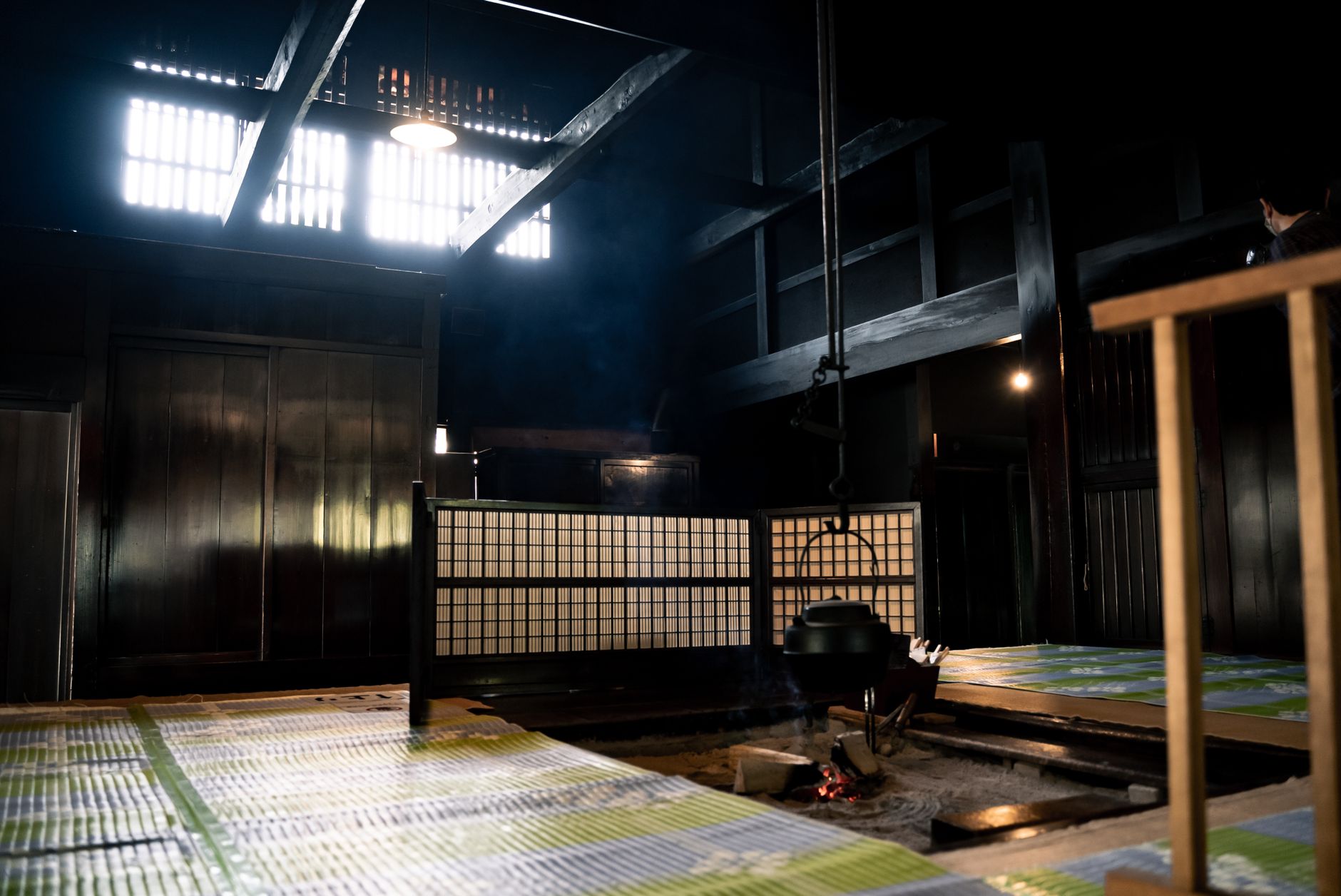
Ryokan: Traditional inns epitomize omotenashi. Personal service, carefully prepared meals, anticipation of every need.
Department stores: Impeccable attention from staff, elaborate wrapping, genuine helpfulness.
Convenience stores: Even konbini staff demonstrate care—proper handling of purchases, clear change presentation.
Restaurants: Water refilled before empty, hot towels provided, timing of courses considered.
Trains: Announcements, cleaning crews, station attendants all contribute to seamless experience.
For Visitors
Omotenashi can feel overwhelming to visitors unused to such attention. Accept it gracefully. A simple "arigatou gozaimasu" (thank you very much) acknowledges the care without creating awkwardness.
Don't tip—it confuses the relationship. Omotenashi isn't for reward but for its own sake. Your sincere appreciation is the appropriate response.
The concept offers an alternative model of service: not transaction but relationship, not performance but genuine care.

