From India to Japan
Buddhism traveled thousands of miles over centuries, transforming at each stop while retaining core teachings. Its arrival in Japan shaped the nation's art, philosophy, politics, and daily life in ways still visible today.
The Journey
India (5th century BCE): Siddhartha Gautama becomes the Buddha. His teachings spread through the subcontinent.
Central Asia (1st century CE): Buddhism follows Silk Road trade routes. The religion absorbs local influences.
China (1st-2nd century CE): Buddhism arrives, adapts to Chinese thought. Translation challenges drive new interpretations. Chinese schools develop.
Korea (4th century CE): Buddhism enters the Korean kingdoms, synthesizing with existing beliefs.
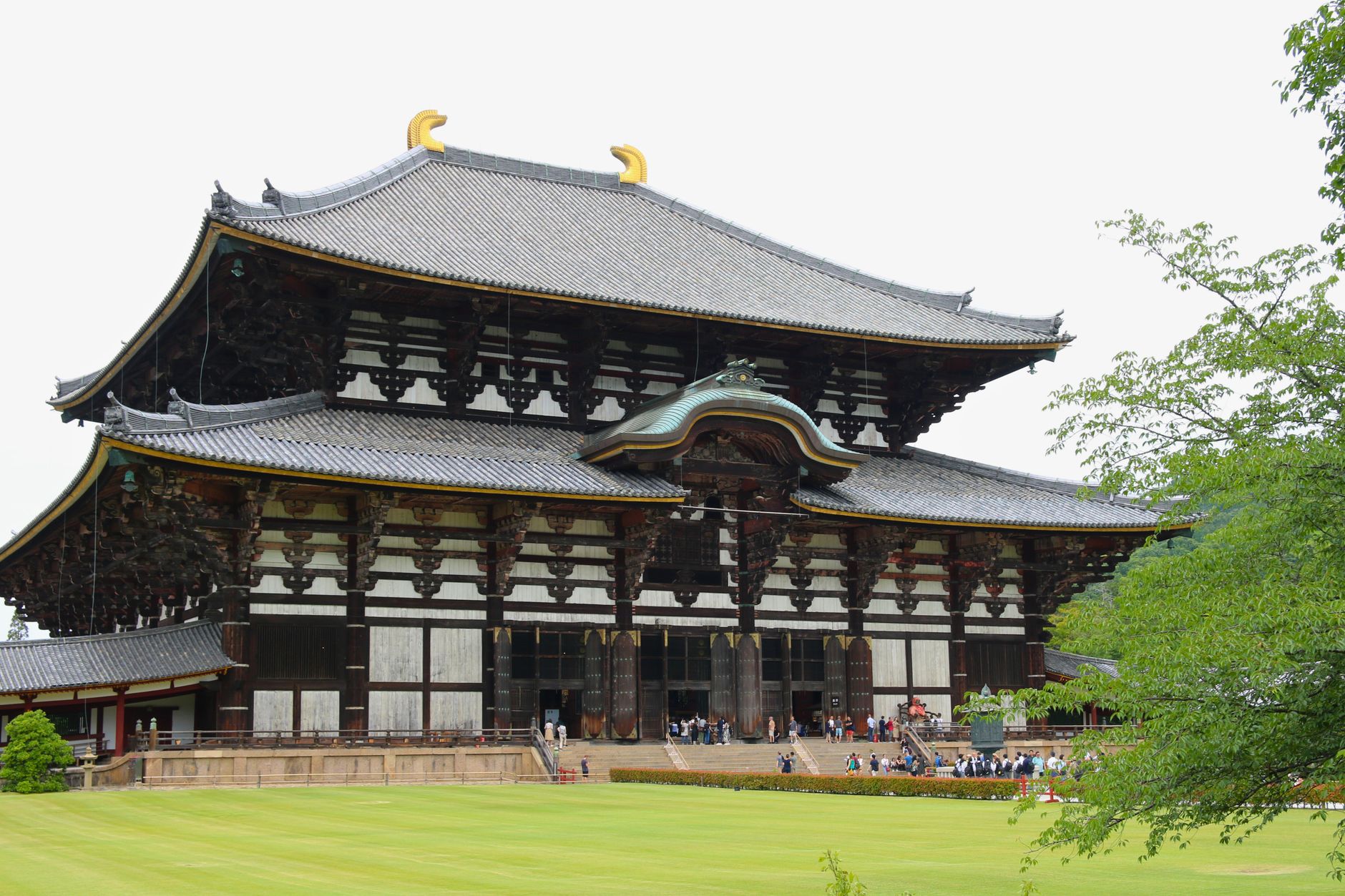
Japan (6th century CE): Buddhism arrives from Korea, entering a land of kami worship and no native writing system.
Arrival in Japan
Traditionally dated to 552 CE, when the Korean kingdom of Baekje sent Buddhist texts and images to the Japanese court. The gift was political as much as religious—Buddhism brought Chinese civilization's prestige.
Initial reception was contested. The Soga clan supported Buddhism; the Mononobe and Nakatomi clans opposed it as foreign. The conflict ended with Soga victory, and Buddhism gained imperial patronage.
Japanese Developments
Japan didn't simply receive Buddhism—it transformed it:
Nara schools: Six academic traditions studied Chinese Buddhist philosophy.
Tendai and Shingon: Brought from China by Saichō and Kūkai respectively, these schools dominated the Heian period.
Pure Land: Faith-based salvation through Amida Buddha, accessible to all regardless of learning.
Zen: Meditation practice brought from China in the Kamakura period, influential among warriors.
Nichiren: Devotion to the Lotus Sutra as the single path, founded by the fiery prophet Nichiren.
Synthesis with Shinto
For most of Japanese history, Buddhism and Shinto weren't separate religions. Kami were understood as Buddhist deities in local form; Buddhist priests managed shrines.
The Meiji government forcibly separated them in 1868, but the synthesis persists in practice. Most Japanese participate in both traditions.
The Legacy
Japanese Buddhism has declined institutionally but remains culturally pervasive. Temple architecture shapes landscapes; Buddhist concepts inform aesthetics; funeral practices remain Buddhist. Understanding Buddhism remains essential to understanding Japan.