Where Japan Became Japan
Before Kyoto, there was Nara. For most of the 8th century (710-784), Heijō-kyō ("Citadel of Peace")—today's Nara—was Japan's imperial capital. Here, Buddhism took root, Chinese civilization was adapted, and distinctive Japanese culture began emerging.
The Capital
Emperor Genmei established Heijō-kyō in 710, modeled on China's Tang dynasty capital Chang'an. The grid-patterned city covered about four square miles, housing perhaps 200,000 people at its peak.
Unlike later Kyoto, little of Nara's original structure survives. The palace site is now a park; the ancient streets lie under modern roads. But the temples—set on the city's edges—endured.
Buddhism's Establishment
Buddhism had arrived in Japan centuries earlier, but Nara saw its full establishment as state religion. Massive temples rose with government support. Scholarly traditions from China took root.
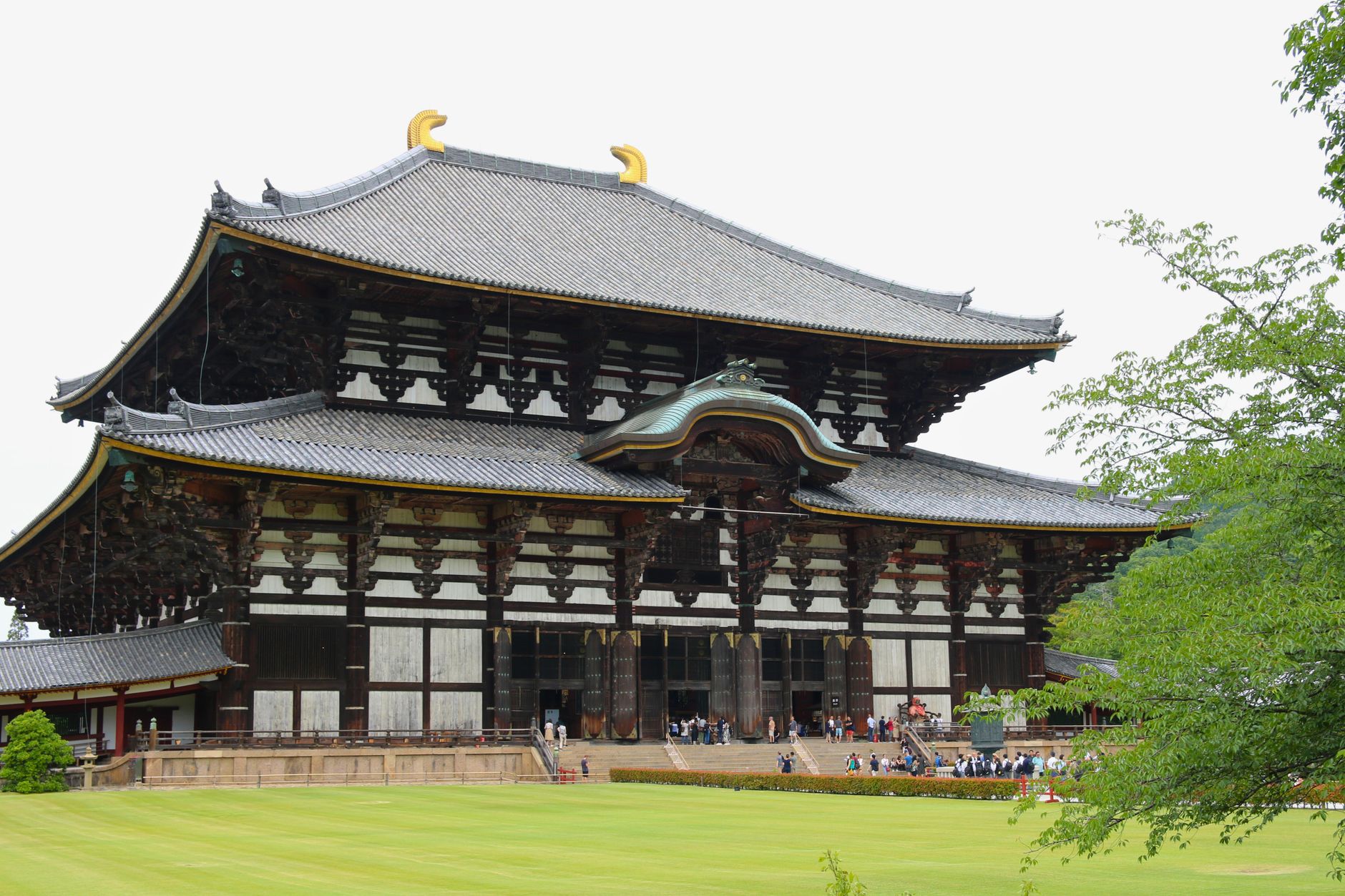
Tōdai-ji: Housing the Great Buddha, this temple represented Emperor Shōmu's vision of Japan as a Buddhist nation.
Kōfuku-ji: The Fujiwara clan's family temple, once among Japan's most powerful institutions.
Yakushi-ji: Originally built in Fujiwara-kyō, reassembled in Nara. Its East Pagoda is one of Japan's oldest structures.
Hōryū-ji: Technically from the earlier Asuka period but closely associated with Nara Buddhism. Contains the world's oldest wooden buildings.
The Move to Kyoto
Emperor Kanmu relocated the capital to Nagaoka-kyō in 784, then to Heian-kyō (Kyoto) in 794. The official reason: inauspicious events at Nagaoka. The real reason: escaping powerful Nara temple influences on government.
The temples remained, preserved by continued patronage. Without urban development pressures, Nara retained a smaller, calmer character it maintains today.
Visiting Nara
Modern Nara offers remarkable concentration of ancient sites:
Nara Park: Deer, temples, and Kasuga Taisha
Naramachi: Traditional townhouse district
Hōryū-ji: World heritage site, older than Nara itself
Ikaruga: Quiet temple towns beyond the main sites
A day trip from Kyoto or Osaka reaches the main sites. Overnight stay allows deeper exploration of this ancient capital.

