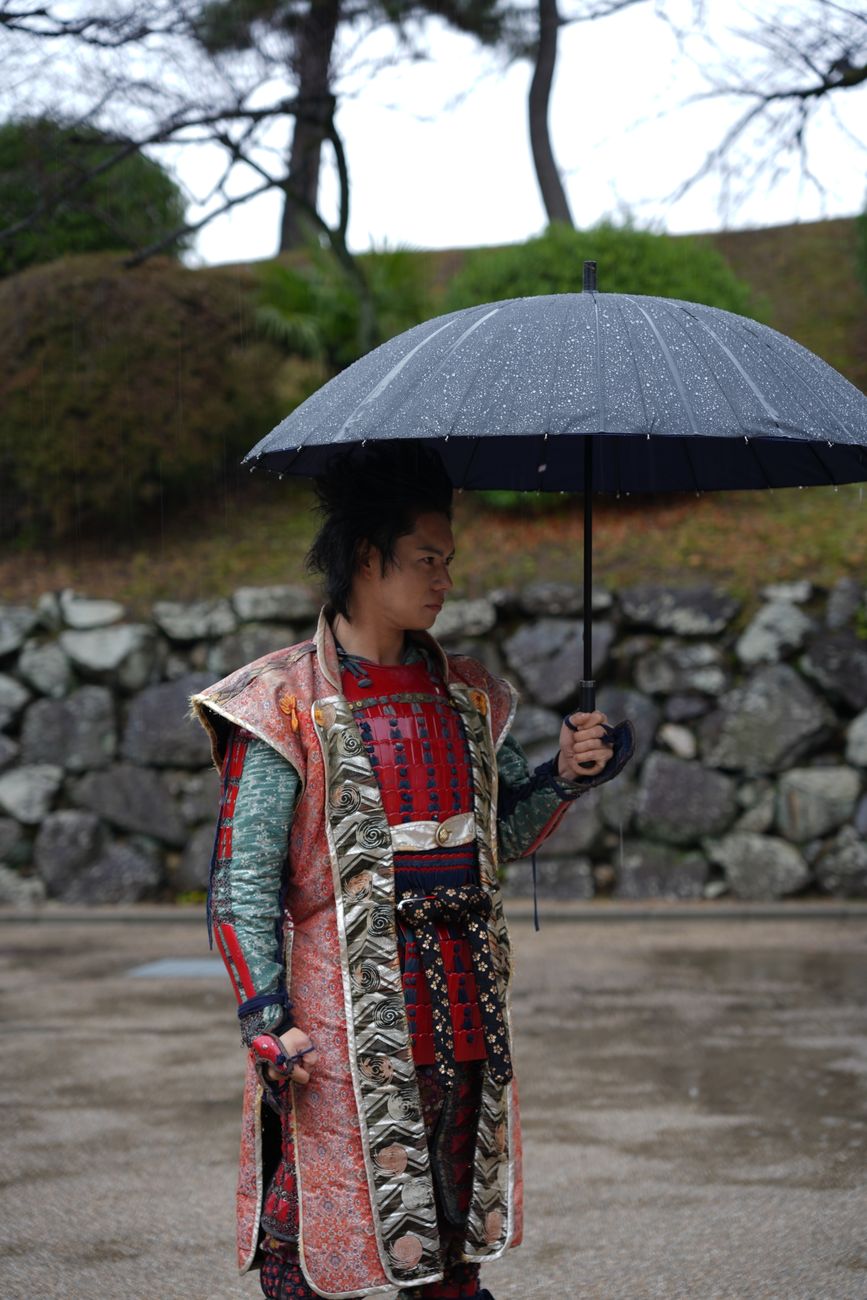
Warriors Who Shaped Japan
The samurai ruled Japan for nearly 700 years (1185-1868), evolving from mounted archers to bureaucrat-administrators. Their influence extends far beyond military history into Japanese culture, values, and identity.
Origins
The term "samurai" comes from "saburau," meaning "to serve." Originally, samurai were provincial warriors serving aristocratic families who needed protection as central authority weakened.
Early samurai were mounted archers, their warfare emphasizing individual combat and heroic duels. The Genpei War (1180-1185) between the Taira and Minamoto clans produced legendary tales of samurai valor.
The Code
Bushidō ("Way of the Warrior") codified samurai values:
Gi (righteousness): Moral clarity, justice
Yū (courage): Bravery in facing death
Jin (benevolence): Compassion, especially toward subordinates
Rei (respect): Proper behavior, courtesy
Makoto (honesty): Truthfulness, sincerity
Meiyo (honor): Reputation, dignity
Chūgi (loyalty): Devotion to one's lord
These ideals were often honored in breach. Samurai history includes plenty of treachery, cruelty, and self-interest. But the code provided an aspirational framework.
Transformation
The Tokugawa peace (1603-1868) transformed warriors into administrators. Without wars to fight, samurai became bureaucrats, scholars, and teachers. Martial arts evolved from battlefield techniques to spiritual disciplines.
The final decades saw desperate attempts at reform before the Meiji Restoration abolished the samurai class entirely in 1876.
Legacy
Samurai imagery pervades modern Japan—and modern global culture. The lone warrior, the code of honor, the willingness to die—these tropes appear in everything from Star Wars to corporate management literature.
In Japan, samurai values blend into concepts of Japanese identity, for better and worse. The emphasis on loyalty, hierarchy, and group harmony shapes contemporary society in ways both admirable and problematic.
Visiting samurai sites—Nijo Castle, Himeji Castle, the samurai districts of Kanazawa—offers glimpses into their world.

