Beauty in Imperfection
Wabi-sabi is Japan's most distinctive aesthetic contribution. It finds beauty precisely where Western aesthetics often overlook it: in the weathered, the worn, the imperfect, the incomplete.
Origins of the Terms
Wabi originally meant loneliness, specifically the melancholy of living in nature, remote from society. Over time, it evolved to describe the appreciation of austere simplicity.
Sabi meant rust or the passage of time. It came to suggest the beauty of aging, the patina that use and years create.
Together, they describe an aesthetic that embraces impermanence—not despite its sadness but because of it.
Characteristics
Imperfection: Cracks, asymmetry, irregularity
Impermanence: Weathering, aging, seasonal change
Incompleteness: Suggestion rather than statement
Modesty: Simple materials, humble origins
Intimacy: Small scale, personal connection
Manifestations
Tea ceremony: Rikyū championed rough tea bowls over Chinese perfection. A bowl with a chip might be more valued than a flawless one.
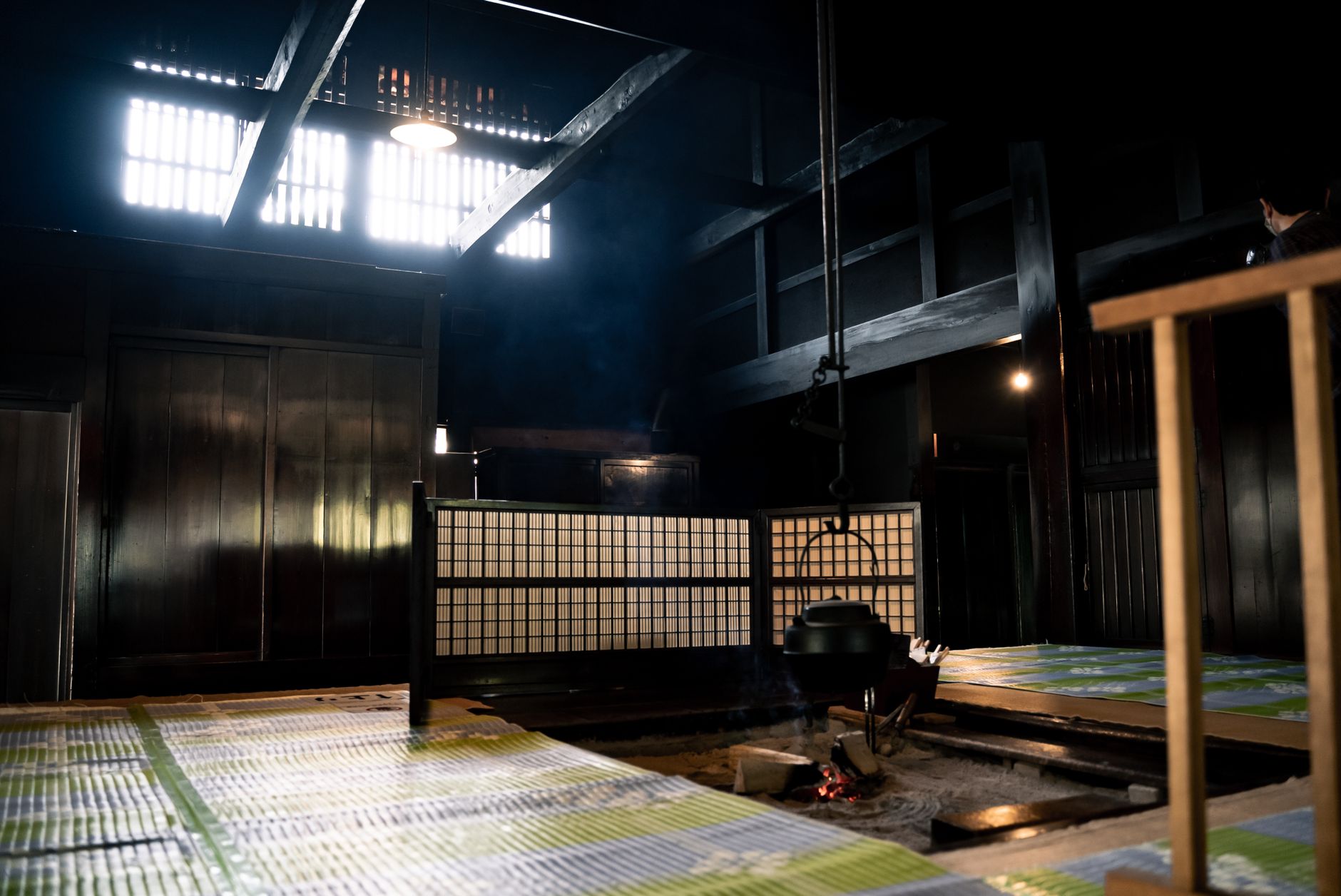
Architecture: Weathered wood, natural materials, asymmetrical composition.
Gardens: Moss growth on stones, fallen leaves on paths, aged trees.
Ikebana: Withered leaves included, not removed. The dying is part of the arrangement.
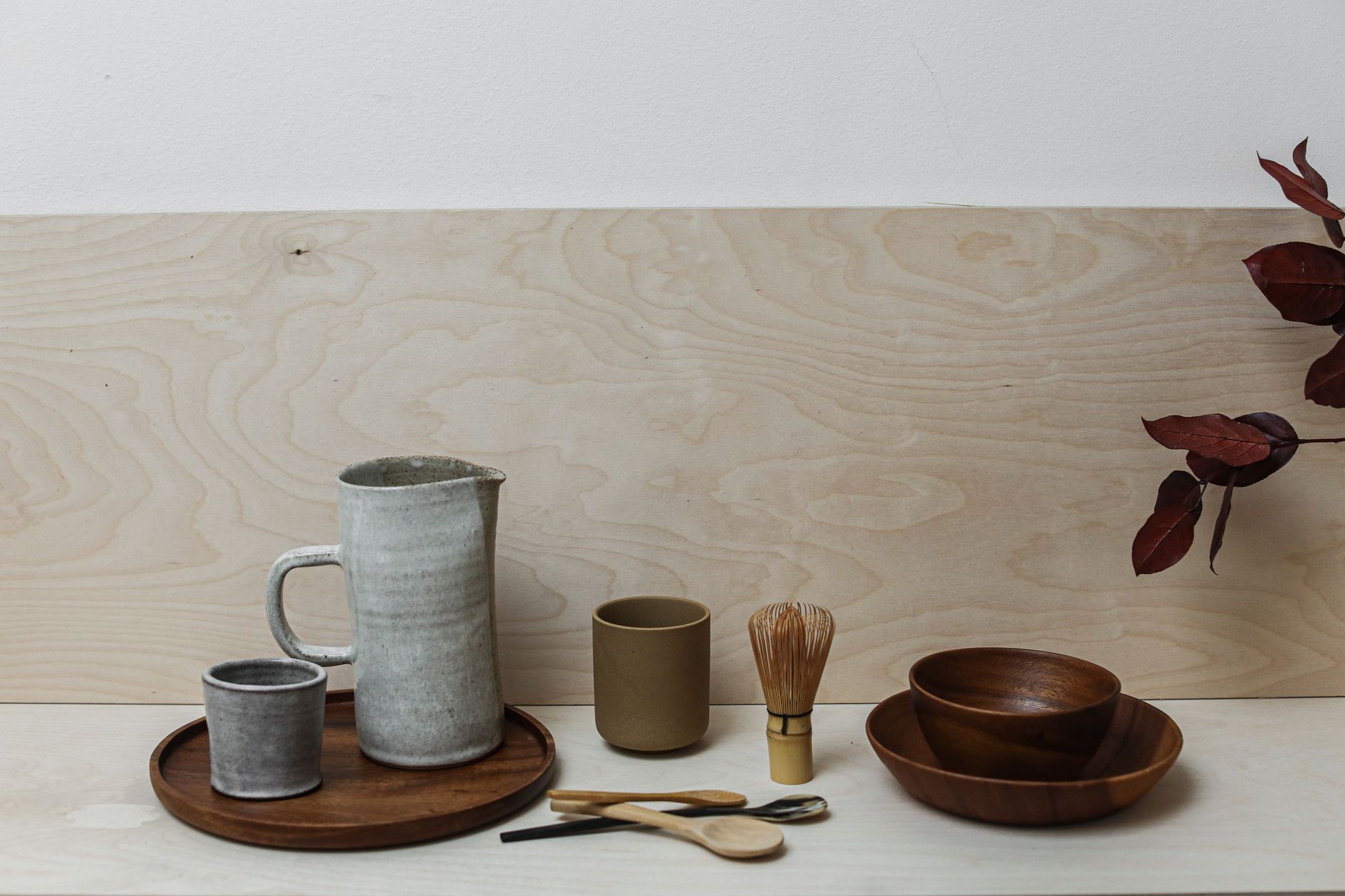
Pottery: Raku ware's irregular glazes, Bizen's natural ash patterns.
Not Decay
Wabi-sabi isn't about neglect. The carefully maintained tea house that appears rustic requires more attention than polished perfection. It's intentional simplicity, not accidental degradation.
Practical Application
Look for wabi-sabi in:
Traditional inns (ryokan) with patina of use
Temple gardens with aged stone
Craft shops featuring handmade imperfection
Tea houses serving humble ceramics
The aesthetic offers an alternative to consumer culture's pursuit of the new and perfect. There's beauty in things that show their history.